

Minister Butime urges graduates to embrace professionalism, innovation and entrepreneurship as Uganda strengthens its hospitality workforce.
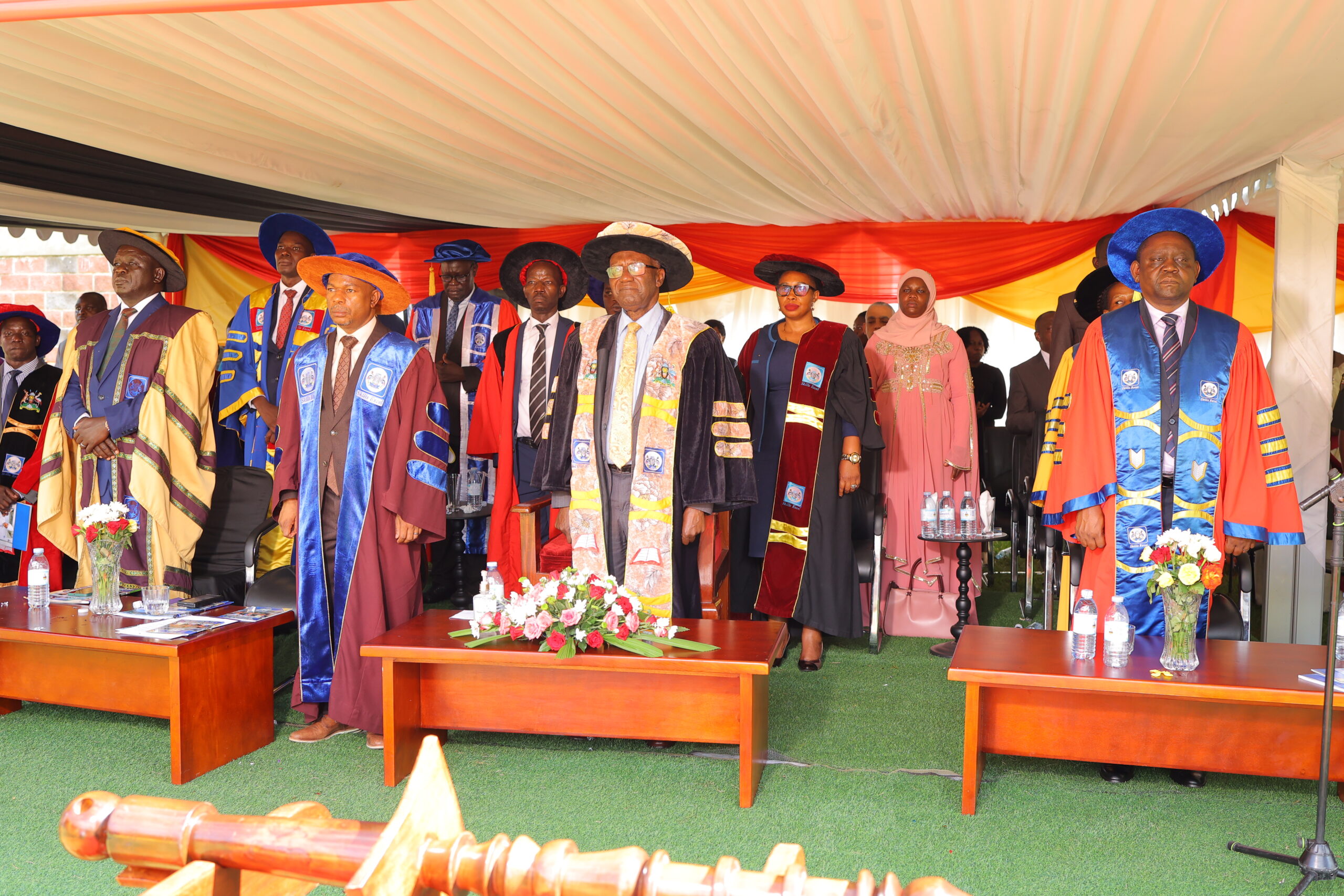
The Hotel and Tourism Training College (HTTC) has graduated 782 students in its 17th graduation ceremony, more than doubling last year’s output of 366 graduates, in a significant boost to Uganda’s efforts to build a skilled and competitive tourism and hospitality workforce.
Presiding over the ceremony, Minister of Tourism, Wildlife and Antiquities, Hon. Tom Butime, said the 113 per cent increase in graduates reflects the College’s expanding capacity and growing demand for professional skills in an industry increasingly central to Uganda’s economic transformation.
He emphasised that Uganda’s tourism competitiveness will depend not only on its natural and cultural attractions but also on the quality of experiences and services delivered to visitors.
“Having these attractions alone is not sufficient to make us a leading tourism destination. We must invest in the quality of our tourism products, support infrastructure development and, most importantly, the quality of services offered to visitors,” he said.
Tourism contributes approximately 6.6 per cent to Uganda’s Gross Domestic Product (GDP) and supports more than 803,000 jobs, representing about 7.2 per cent of total national employment.
Minister Butime noted that institutions such as HTTC are critical to sustaining this contribution by producing competent professionals capable of meeting the evolving demands of the global tourism and hospitality industry.
From the classroom to the workplace: The value of professionalism
A defining message throughout the ceremony was that professional success in hospitality goes beyond academic qualifications. Graduates were challenged to demonstrate discipline, consistency, integrity and a willingness to learn as they transition into the workplace.
The Principal and Chief Executive Officer of Kenya Utalii College, Mark Gandhi, who delivered the commencement address, urged graduates not to be discouraged by starting at entry-level positions.
Drawing from his own career journey, which began with a certificate in front office operations and progressed through several academic qualifications to his current position as a college principal and CEO, Gandhi challenged the graduates to embrace patience and professional growth
.
“Employers will pick you because of your character, your attitude, the skills you have acquired and the knowledge you possess,” he said.
He encouraged the graduates to remain committed to their profession, listen to experienced industry practitioners and consistently improve their competencies, noting that career progression requires discipline, effort and determination.
The message resonated with HTTC Principal, Mr Richard Kawere, who challenged the graduates to become ambassadors of the institution and the country.
Principal Kawere reminded them that hospitality is ultimately about creating memorable experiences through a welcoming attitude, attention to detail and excellent customer service.
He further encouraged the graduates to explore entrepreneurship rather than limiting their ambitions to formal employment, noting that the sector presents opportunities in catering, accommodation, food production, events management and other hospitality-related enterprises.
Apprenticeship delivers a pathway to employment
The ceremony also highlighted the growing importance of workplace-based learning in bridging the gap between training and employment.
Speaking on behalf of the International Labour Organization (ILO), Evans Lwanga described apprenticeship as an effective skills-development model that enables young people to acquire practical competencies while learning in real industry environments.
He commended Government, HTTC, participating hotels, employers, workers’ organisations and development partners for supporting apprenticeship programmes that connect young people to productive employment.
He noted that the formal recognition of work-based learning under Uganda’s qualifications framework is an important step towards giving apprentices recognised skills, clearer progression pathways and opportunities for lifelong learning.
Lwanga urged graduates to continue upgrading their skills and uphold the standards of excellence, reliability, integrity and professionalism demanded by the hospitality industry.
The programme’s impact was also reflected in the College’s reported employment outcomes, with approximately 74 per cent of graduates transitioning into employment within three to six months of completing their training.
Government investment expands access to training
Government’s commitment to strengthening tourism skills development is reflected in the College’s expanding enrolment, infrastructure development and partnerships with industry and development organisations.
According to the Principal, HTTC’s student population has grown from approximately 500 to 1,000 within three years, representing growth of about 113 per cent. Of the 782 graduates, 553 benefited from various sponsorship arrangements, while 229 were enrolled under the College’s conventional training programmes.
The sponsorship arrangements include partnerships supporting vulnerable young people, apprenticeship training and skills development initiatives. Among these are programmes implemented with the support of the International Labour Organization, Enabel, Inter-Seed Sector Development and the Ministry of Tourism, Wildlife and Antiquities.
Notably, 250 young people who had dropped out of school after Primary Seven have completed training under a partnership involving HTTC, Enabel/Inter-Seed Sector Development, while 150 students benefited from the Tourism Ministry’s apprenticeship sponsorship programme.
The Minister reaffirmed Government’s commitment to improving tourism training infrastructure, equipment and learning facilities to ensure that graduates are prepared for industry standards.
He particularly highlighted the ongoing construction of a 600-capacity girls’ hostel, which is intended to improve student welfare, safety and access to technical and vocational education, especially for female students from distant parts of the country.
He also called for greater male participation in hospitality and tourism training, noting that the sector offers diverse professional opportunities for both men and women.
Female students accounted for 78 per cent of the graduands, compared to 22 per cent male participation.
Minister Butime urged the College, parents and career guidance institutions to intensify awareness among boys and young men to promote more balanced participation in the sector.
Preparing graduates for a changing industry
With technology rapidly reshaping how travellers discover destinations, make bookings and interact with tourism businesses, the Minister challenged HTTC to continuously integrate digital competencies and innovation into its training programmes.
He said graduates must be equipped not only with technical hospitality skills but also creativity, problem-solving abilities and an entrepreneurial mindset to respond to emerging opportunities.
The Parliamentary Committee on Tourism, Trade and Industry reinforced the call for graduates to distinguish themselves through character and service excellence.
The Committee challenged them to recognise that they are the face of Uganda wherever they work and interact with visitors.
“The world does not need more graduates. The world needs professionals who are disciplined, honest, hospitable and proud of their work,” the Committee’s representative told the graduates.
The Committee also reaffirmed Parliament’s commitment to advocating better funding, infrastructure and policy support for the College, describing investment in skills development as an investment in Uganda’s future.
Building a competitive tourism workforce
The 17th graduation marks another milestone in HTTC’s transformation into a centre for professional hospitality and tourism training. Beyond the growing number of graduates, the College reported progress in staff capacity development, international partnerships and participation in global skills competitions, with its students securing recognition in international culinary and hospitality skills contests.
The College is also strengthening collaboration with international institutions, including Kenya’s Boma and Utalii College, to facilitate knowledge exchange, staff development and exposure to international hospitality standards.
For Government, these investments are part of a broader strategy to strengthen the tourism value chain, improve service delivery, create employment and position Uganda as a competitive destination.
As the 782 graduates enter the industry, the Minister’s message was clear: Uganda’s tourism potential must be matched by a workforce that delivers excellence at every point of the visitor experience. Their qualifications open the door; their professionalism, innovation and commitment to service will determine how far they go and how strongly they contribute to Uganda’s tourism ambitions.