

31st October 2026
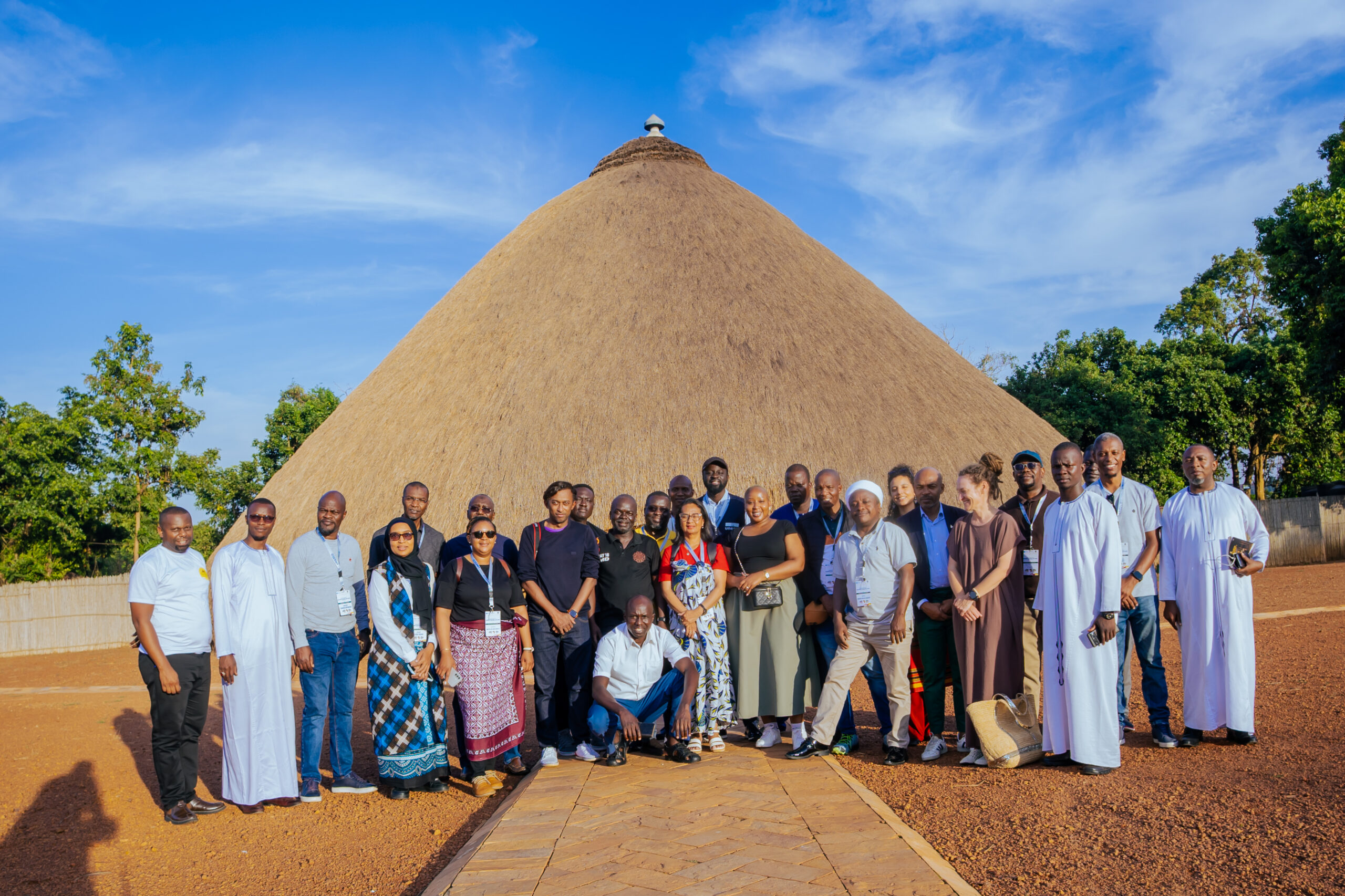
The Tombs of Buganda Kings at Kasubi offered an important opportunity for African heritage practitioners and international delegates to experience first-hand the cultural, spiritual and architectural significance of one of Uganda’s most treasured World Heritage properties.
The visit formed part of the programme of activities hosted by the Government of Uganda, through the Ministry of Tourism, Wildlife and Antiquities, in collaboration with UNESCO and the African World Heritage Fund (AWHF), following the continental engagements on World Heritage conservation held in Kampala.
For UNESCO, the Kasubi site represents more than an architectural landmark. It is a living cultural landscape that embodies the history, spirituality, traditions and identity of the Baganda people.
Inscribed on the UNESCO World Heritage List in 2001, the property covers approximately 26.8 hectares on Kasubi Hill in Kampala. At its centre stands the Muzibu Azaala Mpanga, the main building housing the royal tombs of four former Kabakas of Buganda.
The structure is an outstanding example of traditional Baganda architecture, incorporating organic materials including wood, thatch, reeds, wattle and daub. Its significance extends beyond its physical construction to the intangible cultural values, traditional practices and spiritual connections that continue to define the site.
The property’s conservation journey has also become an important example of international cooperation.
Following the devastating fire of March 2010, which destroyed the main tomb structure, Kasubi was placed on UNESCO’s List of World Heritage in Danger. Its restoration was led by the Government of Uganda in close collaboration with UNESCO, the Buganda Kingdom and international development partners.
In September 2023, the World Heritage Committee removed the property from the List of World Heritage in Danger following successful restoration efforts and improvements in its state of conservation.
The Executive Director, African World Heritage Fund, Dr. Albino Jopela highlighted Kasubi’s recovery as an example of what sustained collaboration, community mobilisation and consistent conservation monitoring can achieve.
He noted that the property’s removal from the List of World Heritage in Danger in 2023 followed 13 years of coordinated efforts to restore the site, strengthen risk preparedness and meet the required conservation indicators.
He cited the experience as an important lesson for African countries in mobilising local expertise and strengthening community participation in safeguarding World Heritage properties
The achievement demonstrated the value of sustained partnerships, technical expertise and collective responsibility in safeguarding heritage of Outstanding Universal Value.
The Ministry of Tourism, Wildlife and Antiquities continues to work with the Buganda Kingdom, UNESCO and other partners to strengthen the site’s long-term protection, management and sustainable use.
These efforts were further reinforced in September 2026 through the launch of a UNESCO-supported initiative focusing on resilience, sustainable recovery, disaster preparedness, visitor experience and community participation at Kasubi.
The wider ambition is to ensure that heritage conservation remains connected to the people, cultural institutions and communities whose histories and livelihoods are intertwined with these places.
The Kasubi visit provided delegates with a practical illustration of the issues explored during the Kampala meetings: the need to protect the authenticity of heritage properties, strengthen local stewardship, document traditional knowledge and ensure that conservation delivers lasting value to future generations.
From the UNESCO World Heritage Centre, Mr. Junior Ohouko highlighted Kasubi as an example of how World Heritage properties can benefit from stronger collaboration across international heritage frameworks.
He explained that the site’s traditional barkcloth-making and thatching practices demonstrate the connection between tangible heritage and living cultural traditions recognised under the 2003 UNESCO Convention for the Safeguarding of the Intangible Cultural Heritage.
He emphasised that closer cooperation across heritage conventions can strengthen protection while ensuring that traditional knowledge and cultural practices remain part of the site’s conservation and management.
As Uganda continues to promote cultural heritage as part of its tourism development agenda, Kasubi stands as a powerful reminder that the protection of World Heritage is not simply about preserving historic structures. It is about safeguarding living traditions, collective memory and the cultural identity of communities.
The visit concluded the series of continental World Heritage engagements hosted in Uganda, reinforcing the country’s commitment to international cooperation and the sustainable preservation of Africa’s shared heritage.