
26–29 OCTOBER 2026
The Government of Uganda has called on African countries to take a more active leadership role in shaping global heritage conservation priorities, strengthening regional cooperation and translating international commitments into practical action.
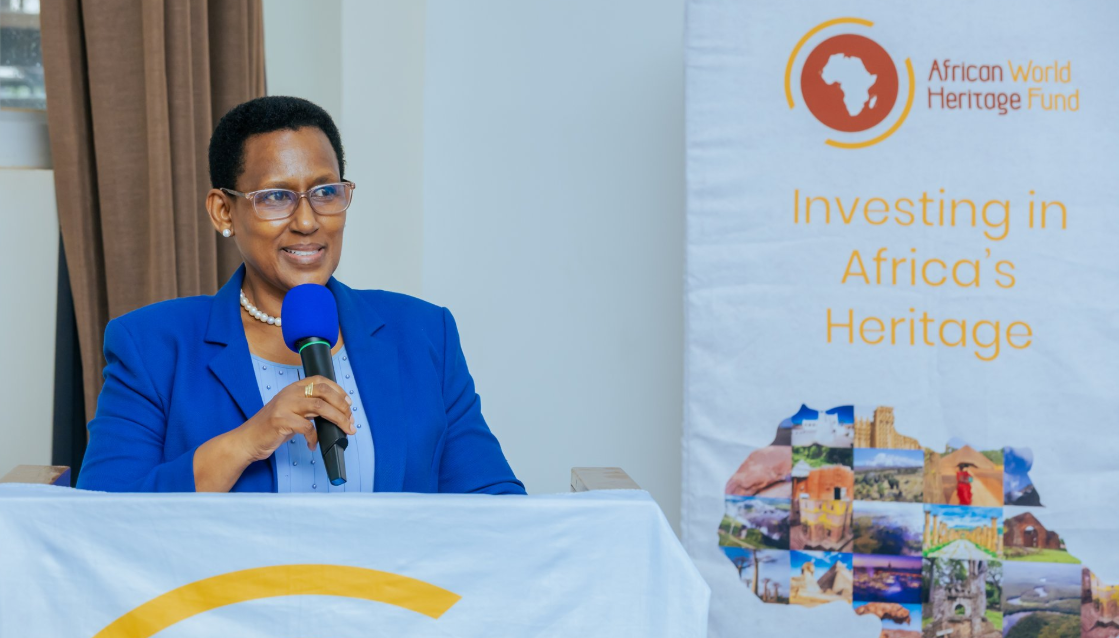
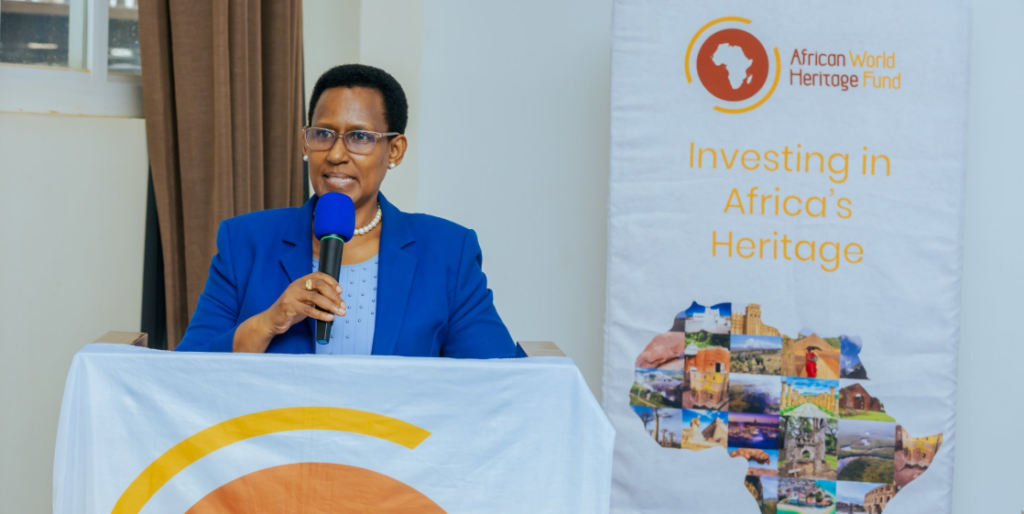
The call was made by the Permanent Secretary in the Ministry of Tourism, Wildlife and Antiquities, Mrs. Doreen S. Katusiime, while officially opening the National Focal Points Workshop for the Fourth Cycle of Periodic Reporting in Africa at Protea Hotel Skyz, Kampala.
The four-days workshop, hosted by the Government of Uganda in cooperation with the UNESCO World Heritage Centre, UNESCO Regional Offices in Africa and the African World Heritage Fund (AWHF), brought together National Focal Points, heritage experts, representatives of UNESCO, Advisory Bodies and other stakeholders from across the continent.
Addressing delegates, Mrs Katusiime, challenged African countries to move beyond participating in international heritage processes and become active contributors to the policies, standards and decisions that shape the protection of the continent’s cultural and natural heritage.
“Africa should not simply participate in the World Heritage system. Africa should help shape it,” she emphasised.
She noted that Africa possesses significant cultural and natural heritage resources, supported by experienced site managers, heritage professionals, universities and regional institutions. However, the continent must strengthen its own technical capacity, institutional coordination and financial commitment to ensure that its heritage priorities are adequately represented.
In a video address, the Director of the UNESCO World Heritage Centre, Mr. Lazare Eloundou Assomo, reaffirmed the need for Africa to assume a stronger leadership position within the global World Heritage system. He noted that the continent had progressively adapted periodic reporting to its realities since the first cycle in 1999, developing approaches that have informed other regions.
He called for greater recognition of African perspectives on living heritage, community stewardship and the relationship between nature and culture, while encouraging stronger engagement of universities, young people and local communities.
The Permanent Secretary further urged participating countries to ensure that the reporting exercise results in a practical Regional Action Plan that responds to the realities facing heritage properties, including climate change, urbanisation, development pressures, conservation financing and sustainable tourism.
She also underscored the importance of reducing overreliance on external funding by strengthening African institutions and mobilising domestic resources to support heritage conservation.
The Executive Director of the African World Heritage Fund, Dr. Albino Jopela, acknowledged progress made during the previous reporting cycle, including stronger regional representation, capacity-building and the removal of several African properties from the List of World Heritage in Danger, among them the Tombs of Buganda Kings at Kasubi in Uganda.
However, he challenged African countries to translate conservation gains into measurable livelihood benefits for communities and traditional custodians, while strengthening domestic investment and creating opportunities for private-sector participation in heritage conservation.
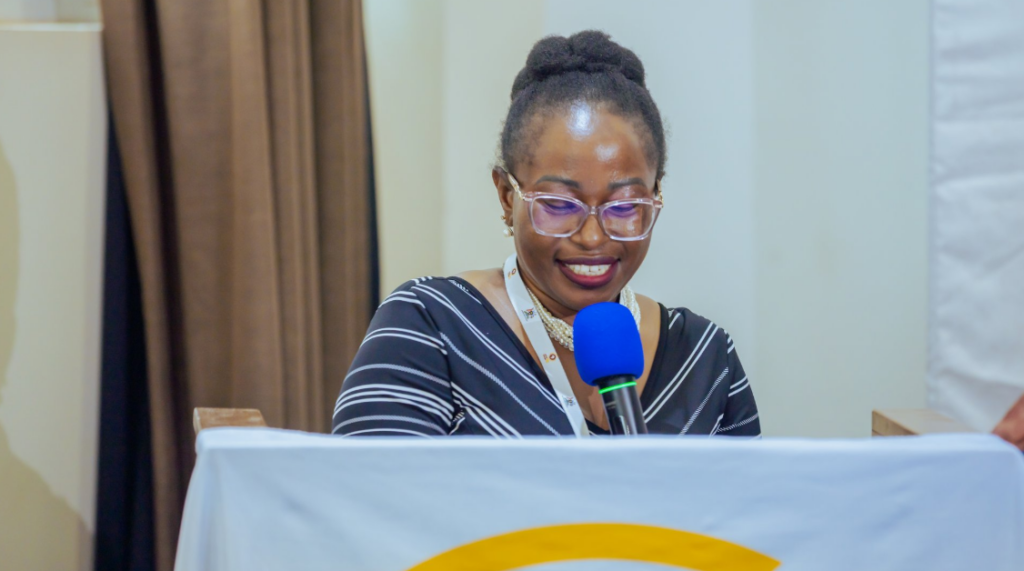
The Ministry’s Commissioner for Sites and Monuments and Uganda’s National Focal Point, Dr Jackline Nyiracyiza-Besigye, emphasised the importance of national consultations, collaboration and professional knowledge-sharing in making the reporting exercise meaningful.
She noted that the workshop provides an important opportunity for African heritage practitioners to exchange experiences, identify common challenges and strengthen professional networks.
The Fourth Cycle of Periodic Reporting is a statutory monitoring mechanism under the 1972 World Heritage Convention. It enables States Parties to assess the implementation of the Convention, review the state of conservation of properties on the World Heritage List and identify areas requiring further action and support.
The African reporting cycle covers 47 States Parties and is expected to generate evidence and recommendations to inform a Regional Action Plan for improved heritage management and cooperation.
For Uganda, hosting the continental engagement demonstrates the country’s commitment to strengthening heritage governance and positioning cultural and natural heritage as important contributors to sustainable tourism and national development.
Through the Ministry of Tourism, Wildlife and Antiquities, Government continues to strengthen the identification, documentation, protection, conservation and promotion of the country’s heritage resources as part of its wider tourism development agenda.
The workshop was held from 26th to 29th October 2026, ahead of the African World Heritage Fund Vision 2035 Reflection Colloquium in Kampala.