


TOURISM MINISTRY UNVEILS KEY POLICY TOOLS TO DRIVE SERVICEDELIVERY AND TOURISM PERFORMANCE.

The Ministry of Tourism, Wildlife and Antiquities has today marked a significant milestone in public sector reform and tourism development with the launch of three critical policy and performance instruments during the ongoing Top Management Retreat in Jinja.
The newly unveiled tools, the Balanced Scorecard, the National Tourism Strategic Plan and the Client Charter, are set to redefine service delivery standards, strengthen institutional accountability and accelerate Uganda’s tourism sector growth in alignment with the country’s broader economic transformation agenda.
The Balanced Scorecard introduces a results-based management framework that will track institutional performance against set targets, ensuring that every department and agency remains aligned to national priorities. Complementing this is the National Tourism Strategic Plan, a comprehensive roadmap designed to enhance Uganda’s competitiveness as a global tourism destination through product development, marketing, infrastructure and human capital investment.
The Client Charter, on the other hand, establishes clear service delivery standards and commitments to stakeholders, reinforcing transparency, responsiveness and professionalism across the sector.

Speaking at the launch, Tourism Minister Tom Butime described the three instruments as a turning point in the Ministry’s operational approach.
“These tools represent a new dawn for service delivery in the tourism sector. We are moving from intention to measurable action. Every officer must now account for their contribution towards national development. Tourism is not just a sector, it is a key driver of employment, foreign exchange and inclusive growth.”

State Minister for Tourism, Wildlife and Antiquities, Martin Mugarra, emphasized the need for discipline and consistency in implementation.
“The success of these frameworks will depend on our commitment as public servants to uphold efficiency, integrity and teamwork. We must eliminate complacency and ensure that service delivery meets the expectations of both citizens and international visitors.”
Permanent Secretary Doreen Katusiime underscored the institutional shift towards performance-based management.
“The Balanced Scorecard will enable us to measure what truly matters; impact, efficiency and value for money. This is a call to all officers to embrace a results-oriented culture and to deliver beyond routine.”
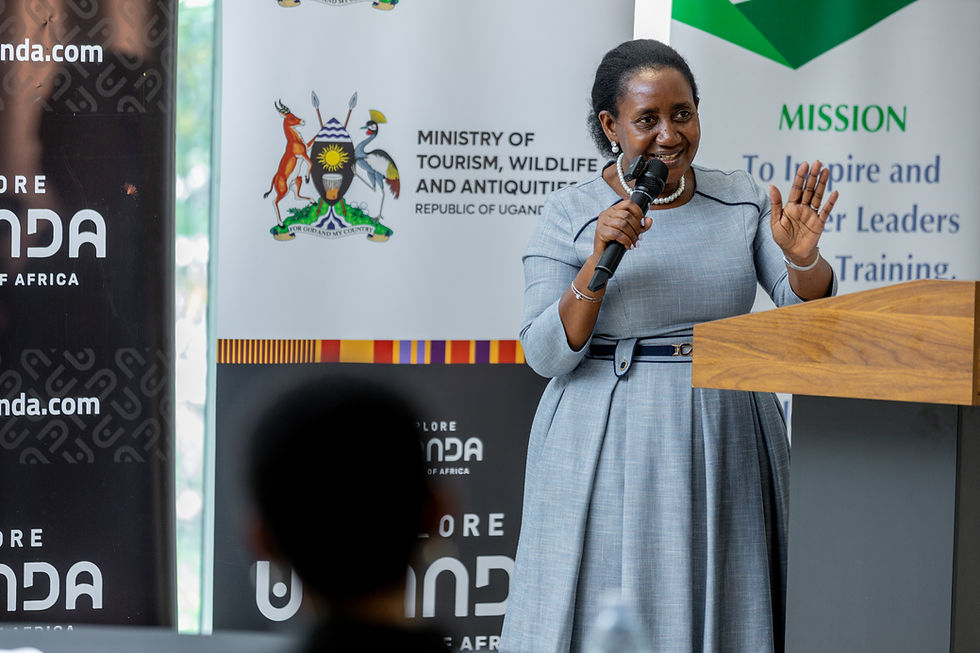
Representing the Office of the Head of Public Service, Deputy Head of Public Service Jane Kyarisiima Mwesiga cautioned public officials against laxity and resistance to change.
“Government is increasingly focused on performance and accountability. These tools are not ceremonial, they are binding instruments that will inform appraisal, reward and sanction. Public servants must adapt or risk being left behind.”
The Ministry noted that the integration of these frameworks is expected to enhance coordination across its agencies, improve service delivery timelines and strengthen Uganda’s positioning as a preferred tourism destination.
Tourism remains one of Uganda’s top foreign exchange earners and a critical pillar in achieving the country’s medium and long-term economic targets. With the implementation of the new strategic plan and performance tools, the Ministry aims to significantly increase tourism’s contribution to GDP, create more jobs and stimulate investment across the value chain.
As the retreat continues, emphasis remains firmly placed on translating policy into action, with leaders rallying staff to embrace innovation, accountability and a shared vision for a more competitive and resilient tourism sector.


One of the biggest reasons Doodle Jump remains so addictive is that failure rarely feels unfair.